A plain cotton T-shirt takes about 700 gallons of water to make. A pair of jeans takes closer to 2,000. I read that number a few times before it actually sank in. That’s not the water I use washing the shirt. That’s the water it took just to exist in the first place, grown, dyed, and shipped, before it ever touched my body.
Once I saw that number, I couldn’t unsee it. So I made a pledge. No new clothes for six months. Not thrifted, not secondhand, just nothing new. And instead of replacing five things in my closet that are falling apart, I’m going to fix them.
Adam Zwickle, a professor at Michigan State who studies sustainability, put the whole business model into words better than I could. He said fast fashion basically comes down to this, someone sees a cool shirt trending online, and a company decides, let’s make ten thousand more of them, fast. That’s it. That’s the entire engine. Speed, not quality. A shirt doesn’t need to last, it just needs to exist long enough to get worn a few times and photographed once.
The water is only part of the problem. The fashion industry puts out something like ten percent of global carbon emissions, more than every international flight and cargo ship combined. It’s also one of the biggest sources of industrial water pollution, mostly from dyeing fabric, since a lot of that dye ends up in rivers instead of staying in the clothes.
Then there’s what happens after you’re done wearing something. Cheap fabrics like polyester and nylon are basically plastic. They don’t rot. They just sit in a landfill for centuries, or they shed tiny plastic fibers every time they get washed. One widely cited estimate says laundering synthetic clothes accounts for over a third of the microplastic pollution in the ocean. Every load of laundry, a little more plastic goes down the drain and out to sea.
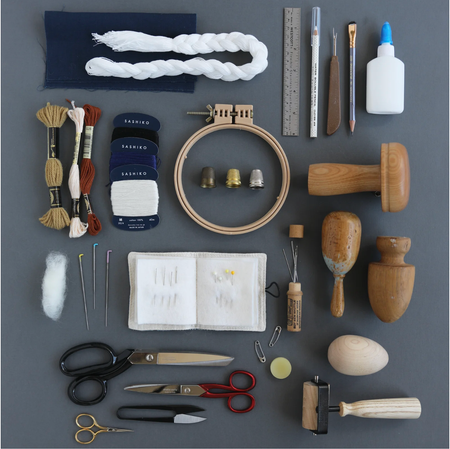
None of this means I’m never buying clothes again. It means I’m trying to slow down. My plan is simple. Catalog what I already own. Fix what’s broken instead of throwing it out. Learn to sew a button back on instead of buying a new shirt because one fell off. I picked up a cheap sewing kit and I’m teaching myself patches, hems, the basics.
United Nations Secretary General Antonio Guterres said something that stuck with me too. He pointed out that just doubling how long people keep their clothes before tossing them could cut the industry’s emissions by something like 44 percent. Not fancy new technology. Not some breakthrough fabric. Just wearing the same shirt for longer.
Six months is a long pledge, longer than I’ve committed to almost anything. So I’m tracking it. Monthly check ins, money saved in a separate account, a friend I’ve asked to call me out if I start browsing online stores out of boredom. I unsubscribed from every clothing brand’s email list before I even started, mostly because I know myself.
I don’t think one teenager not buying a hoodie changes a global industry. I know that. But I also know I can’t keep saying the problem is too big to bother while still adding to it every time something new drops online.
So for the next six months, my closet is the only store I’m shopping in.
Sources. Zwickle, A., Michigan State University; Earth.Org (2026 fast fashion analysis); Quantis 2018 measuring fashion report; UN Environment Programme; Fashion Revolution; International Union for Conservation of Nature (2017 microplastics estimate).