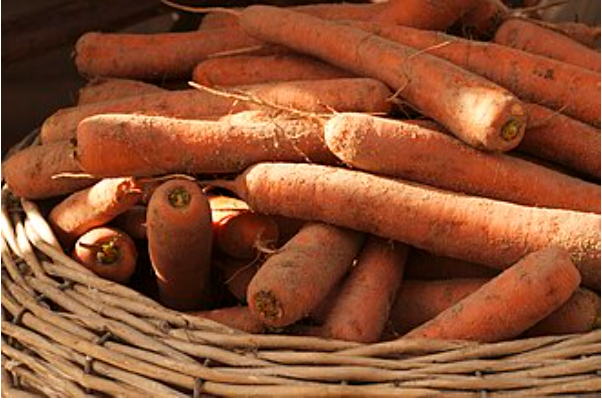
I picked a beet out of the imperfect bin at the farmers market this week, oddly shaped, greens still attached, exactly the kind of thing most shoppers walk past for something rounder and cleaner looking. It was, as far as I could tell, completely fine. Same iron, same antioxidants, same beet. It just didn’t look the way a beet is supposed to look on a shelf.
That gap between edible and marketable turns out to be a huge share of how food actually gets wasted, and it happens earlier in the chain than I expected, often before food ever reaches a store. Sara Burnett, executive director of the nonprofit ReFED, has said consumer demand is one of the strongest forces shaping what a farmer grows, harvests, and brings to market in the first place. Americans have come to expect produce free of blemishes, a certain shape, a certain color, and produce that doesn’t meet that bar is often rejected or simply left unharvested. ReFED’s own data puts a number on it, about 28 percent of the 14.5 million tons of fruits and vegetables left unharvested on US farms is rejected specifically for cosmetic reasons, not because it’s inedible or unsafe. Altogether, Burnett estimates 13 billion dollars worth of food goes unharvested or unsold on American farms every year.
The pattern shows up everywhere researchers have looked, and the specifics are almost absurd once you see them listed out. UK retailers have reportedly demanded Gala apples with at least 50 percent red skin coverage, a standard that led to 20 percent of one harvest going to waste since the rejected apples weren’t even worth the cost of picking for juice. A 2018 German study found cosmetic rejection rates for produce ranging from 2 to 40 percent depending on the crop, with apples specifically losing 32 percent of harvest to aesthetic grading in one study. None of these numbers are about taste, nutrition, or safety. They’re about whether a vegetable looks like the mental picture a shopper has of what that vegetable should look like.
Researchers studying this internationally have started pushing back directly on the standards themselves rather than just the waste they cause. A team studying aesthetic grading’s effect on smallholder farmers argued that fixing this requires action at multiple levels simultaneously, not just farmers adjusting what they grow, but retailers loosening specifications and, just as importantly, a shift in what consumers have been culturally trained to expect a carrot or an apple to look like.
That last part is the one I can actually do something about, standing in a market. Nothing about a lopsided beet’s nutrition changes because of its shape. The greens I almost let go to waste turned into pesto. The peels became broth. None of that required the beet to look like the ones photographed for a grocery store display.
The bin labeled imperfect at that market isn’t full of defective food. It’s full of food that failed a beauty standard nobody asked it to meet in the first place.
Sources. Burnett, S., ReFED; UK retailer produce standards reporting; 2018 German cosmetic-rejection study.