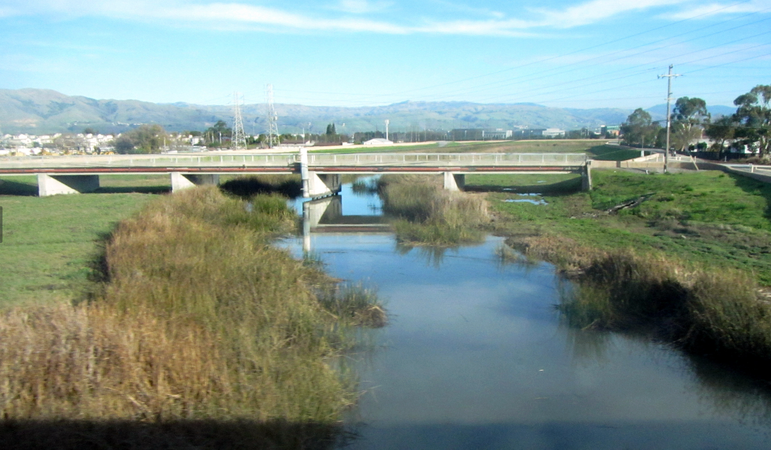
I’ve walked along the Guadalupe River in downtown San Jose more times than I can count without knowing its original name. In the Tamien language, it’s called Thamien Rummey. That name comes from the Tamien Nation, whose ancestral villages once stretched from the Guadalupe River watershed through the Santa Clara Valley, land that includes most of the city I grew up in.
This year, using a 6 million dollar grant from the California Governor’s Office Tribal Nature Based Solutions program, the Tamien Nation acquired 235 acres of its ancestral homeland in East San Jose. It’s the first time in more than two centuries that land in the South Bay has returned to full tribal ownership, governed and protected entirely by the Tamien Nation itself.
Chairwoman Quirina Luna Geary described the moment in terms that go beyond a land transaction. This moment is more than a land acquisition, she said. It is a homecoming. It is the rekindling of our sacred, reciprocal relationship with the land.
I want to correct something I got wrong before researching this. I had been treating Muwekma Ohlone and Tamien Nation as basically interchangeable names for the same community. They aren’t. The Tamien Nation is explicit about this on its own website, we are Tamien, not Ohlone. The two are distinct tribes with separate political structures, separate cultural identities, and a long standing agreement respecting each other’s defined territorial boundaries. Muwekma Ohlone’s ancestral territory and Tamien Nation’s overlap in parts of the South Bay, but treating them as one group erases a real, specific difference both tribes have worked to maintain.
The 235 acres are meant to become what the tribe describes as a living cultural landscape focused on climate resilience and ecological restoration, not a symbolic gesture. The plan includes habitat restoration along the river corridor, native plant reestablishment, and long term ecological monitoring led by the tribe itself.
I don’t think one land acquisition solves every historical question tied to it, and I don’t think the Tamien Nation is claiming it does either. But I do think I’ve spent years walking a trail named after a river whose real name I never bothered to learn. That’s a small thing to fix, compared to 235 acres. It’s still worth fixing.
Sources. Tamien Nation (official statements); Luna Geary, Q., Tamien Nation; California Governor’s Office Tribal Nature Based Solutions program.