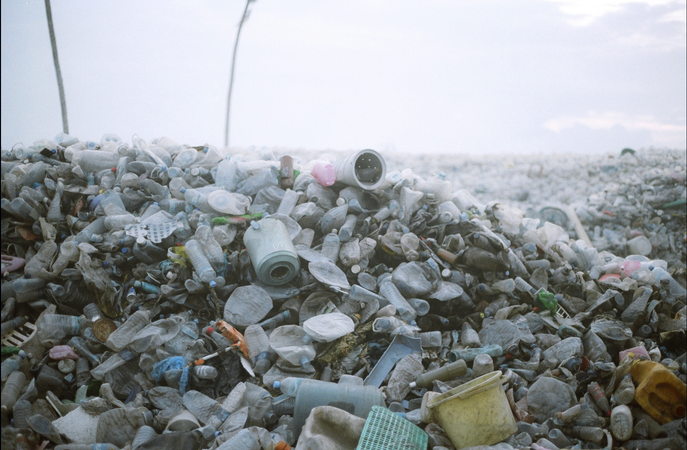
Trash in a local stream is what pushed me to write a plan for zero single-use plastic in our schools, built around monthly cleanups and a reusable container program. Before I actually launch anything, I wanted to know if a school has done this before, and what happened after the first cleanup ended.
The clearest precedent is Plastic Free Lunch Day, a nationwide initiative organized by the Urban School Food Alliance, Cafeteria Culture, and Cool School Cafe. In its pilot, students at one school designed and ran a single plastic free lunch day that cut total cafeteria waste by 99 percent and eliminated 558 individual plastic items in one sitting. That’s not a modest improvement. That’s close to the theoretical ceiling for what a single day of intervention can do.
Reusable container systems have real data behind them too, not just pilot day enthusiasm. A program at School in the Square, a K-8 charter school in Manhattan, replaced disposable cafeteria containers with durable reusable ones collected, washed, and recirculated by a company called Re,Dish. The program is projected to divert 216,000 containers from landfills and cut close to 24,000 kilograms of CO2 equivalent emissions annually, entirely by removing one category of single-use waste from one school’s daily routine.
The harder question, the one my original post skipped, is whether any of this holds up after the launch excitement fades. A study on a no single-use plastic policy at a junior high school in the Philippines gives an honest, less flattering answer. Researchers found the policy successfully built cleaner campus habits and new sustainable behaviors among students at first, but documented declining and inconsistent enforcement over time. Students ran into real practical friction, limited packaging alternatives, higher costs for compliant materials, tight budgets, and some developed workarounds to get around the rules entirely once initial attention moved on.
The same research pointed to what actually kept engagement from collapsing where it did work, pairing incentives with real accountability measures, and building plastic reduction directly into curriculum rather than treating it as a one-time event bolted onto normal school life. A single dramatic cleanup day photographs well. What sustains a program past the first month, according to the schools that have actually tried this, is closer to unglamorous infrastructure, enforcement someone is actually responsible for, and a reason for the habit to keep making sense once the novelty wears off.
That changes what I’m actually building. A first cleanup is a real, useful starting point, exactly like the Plastic Free Lunch Day model. But if I want the reusable container piece to survive past its own launch week, the plan needs enforcement and curriculum integration built in from day one, not added later once things start slipping, which is exactly the point at which the Philippine case study found compliance already breaking down.
I’m still hosting the first cleanup this month. I’m also writing the six month follow-up plan before the first one even happens, instead of after.
Sources. Urban School Food Alliance, Cafeteria Culture, and Cool School Cafe (Plastic Free Lunch Day); School in the Square / Re:Dish program data; Philippine junior high school plastic-policy study.