I planned a series of Right to Repair workshops as part of an e-waste reduction plan for my school, framing them as teaching students a new skill. I need to correct the framing, not the workshops. California already passed a Right to Repair law, the Right to Repair Act, SB 244, which took effect in 2023. What I should be teaching isn’t a brand new idea. It’s a legal right most students don’t know they already have.
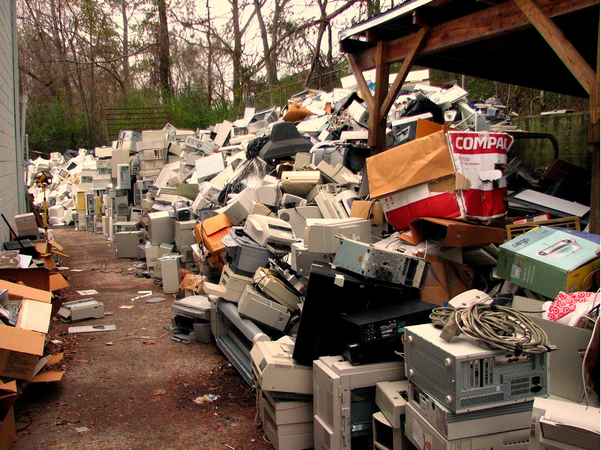
The number that actually justifies the whole project checks out and is worse than I expected. E-waste makes up only about 2 percent of landfill mass by volume, but accounts for 70 percent of the toxic waste sitting in landfills, according to figures compiled by the e-waste recycling group Human-I-T. That’s an enormous concentration of environmental harm packed into a small physical footprint, which is exactly why proper e-waste handling matters disproportionately to its size.
California isn’t an outlier anymore, which changes how I should pitch the school policy proposal too. According to PIRG, seven states have passed a combined nine versions of Right to Repair legislation since 2020, and by 2025 bills had been introduced in all 50 states, with more than 40 proposed or passed that year alone. New York’s Digital Fair Repair Act, effective December 2023, was the first state law of its kind, and California, Texas, and Kansas have since followed with their own versions. My school policy proposal isn’t asking administrators to take a stance on a hypothetical future law. It’s asking them to align school purchasing with a right already written into California statute.
There’s a real financial argument here too, separate from the environmental one. The Repair Association estimates American households save an average of 330 dollars a year by repairing devices instead of replacing them, a number worth putting directly in front of parents and the PTA when I pitch the program, since it turns an environmental ask into a household budget argument at the same time.
None of this changes what the workshops should teach, repair skills, responsible disposal, reading a return policy for parts and tools students are now legally entitled to request. It changes how I introduce them. Not here’s a new practice we should adopt. Here’s a right students already have, and almost no one has told them.
Sources. California Right to Repair Act (SB 244); Human-I-T (e-waste toxicity data); PIRG (state legislation tracking); The Repair Association.