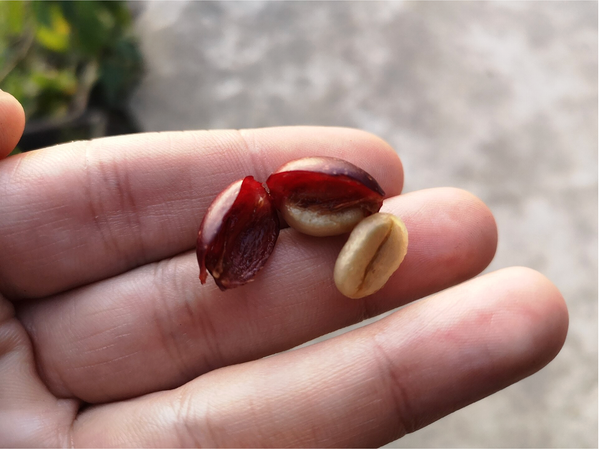
I visited a local roaster in Campbell this week that sources coffee through what’s called Direct Trade, meaning they buy straight from farmers they know personally, no middlemen, and pay well above Fair Trade minimums. I wrote a thank you letter praising them for it. Before I send anything else like it, I want to be clear about a gap in that story that I glossed over.
Direct Trade sounds like a stronger, more accountable version of Fair Trade. Structurally, it’s closer to the opposite. Fair Trade is a certification, meaning an independent third party auditor, most commonly FLO-CERT, actually inspects farms and verifies that specific standards, minimum prices, labor conditions, no child labor, are being met before a company can use the label. Direct Trade has no such body. There is no registry, no independent inspector, no legal definition anyone has to meet to put the words on a bag.
That gap isn’t theoretical. Industry writing on the topic points out something that stopped me, major commercial roasters, the kind operating at massive industrial scale, technically qualify as Direct Trade under the loosest reading of the term, since they too buy some coffee directly from origin without going through a broker. Being Direct Trade doesn’t make a company’s sourcing any more ethical on its own, because nothing verifies what the term is actually describing in any given case. A small roaster visiting a farm every season and a company that visited once, five years ago, and never went back can both use the exact same words on their packaging.
This matters because the two models are, on paper, trying to solve different problems. Fair Trade is built around a price floor and worker protections that apply broadly, reaching more than 1.7 million farmers across roughly 75 countries by the certification’s own figures, even if, as I’ve had to correct myself on before, its wage benefits reach farm owners more reliably than hired laborers. Direct Trade is built around quality and relationship, often paying more per pound for coffee that meets a specific flavor bar, but with no mechanism ensuring that premium reaches every farmer a roaster works with, or that the relationship a company claims is as close as its marketing suggests.
None of this means the roaster I visited is lying. Everything about their public sourcing information, published pricing above Fair Trade minimums, named farms, specific practices like using coffee cherry pulp to grow mushrooms, reads like a company actually doing the relationship work Direct Trade is supposed to represent. But I’m the one who has to make that judgment call now, reading a company’s own claims about itself, rather than pointing to an independent inspector’s stamp the way I could with a Fair Trade label.
That’s a heavier lift for a customer than a logo is supposed to require. I still like my coffee. I just know now that liking it isn’t the same as verifying it.
Sources. FLO-CERT certification standards; Fair Trade certification figures (farmer reach data).